

 Posts
Posts


If the word fits, wear it
In the course of my writing my book on bad language (Filthy English, Portobello, October 2009), my younger son bought a cap with a word on it. I told him that a cap with that word on it might cause problems for him in public, even in Primrose Hill. He gave it to his older brother.
A few months later, we were in New York and, on a sunny Sunday afternoon, I took a picture of him wearing this cap standing outside the building in which that word was first recorded — in a popular song, anyway. It’s 55 5th Avenue and now home to the Yeshiva University law school. (See the picture here.)
Then I had another thought: what if the cap had ‘sexual intercourse’ on it instead? I sent the 5th Avenue picture to all of you who are on my blog update list and asked what you thought: would it be more or less offensive with ‘sexual intercourse’ on it. Not exactly a giant study but still several hundred people. The vote was 37 per cent ‘more’ and 63 ‘less’ – though ‘twice as daft’ said one. ‘Only by the tiniest of margins,’ said another.
Next up a psychoanalyst’s joke
Monday, 18 May 2009


Wednesday, 13 May 2009
The longest month
Having spent the last month on the final knockings of my book (Filthy English, Portobello, October 2009), I've been completely blogged off. Now I'm back. I'll be posting regularly. Well, fairly regularly. First up, tomorrow, the results of the online poll about the language of my son’s cap. See you then — bright if not necessarily early.
Having spent the last month on the final knockings of my book (Filthy English, Portobello, October 2009), I've been completely blogged off. Now I'm back. I'll be posting regularly. Well, fairly regularly. First up, tomorrow, the results of the online poll about the language of my son’s cap. See you then — bright if not necessarily early.
Sunday, 5 April 2009
Pop stardom
I’m assured this story is true. I’ve removed the name of the artist, though, as it’s perhaps too good to be true. (And, in these Madoff times, we should all be extra-wary of that which might be too good to be true.)
A pop star, a very major pop star is onstage at a very major venue. It is between songs. There is silence in the giant hall. The crowd wait for the pop star’s words of wisdom. Instead, the pop star farts. The fart is picked up by the mike and sent round the hall at full volume, in the kind of perfect balance that only a very major pop star’s sound engineer can manage.
At the end of the show, the pop star leaves the stage. The pop star’s manager is standing in the wings. Says the pop star to the manager: ‘Why the hell didn’t you stop me doing that?’
I’m assured this story is true. I’ve removed the name of the artist, though, as it’s perhaps too good to be true. (And, in these Madoff times, we should all be extra-wary of that which might be too good to be true.)
A pop star, a very major pop star is onstage at a very major venue. It is between songs. There is silence in the giant hall. The crowd wait for the pop star’s words of wisdom. Instead, the pop star farts. The fart is picked up by the mike and sent round the hall at full volume, in the kind of perfect balance that only a very major pop star’s sound engineer can manage.
At the end of the show, the pop star leaves the stage. The pop star’s manager is standing in the wings. Says the pop star to the manager: ‘Why the hell didn’t you stop me doing that?’
Sunday, 22 March 2009
My new favourite lesbian
Some time before Christmas, I got a Facebook request to become friends with a Jill Sobule. Usually, I decline such offers from people whose names I don’t recognise but she came recommended from a good source, a woman film director.
So I became friends with Jill Sobule. Then I noticed she was a songwriter and performer and I somehow found my way to her version of Merry Christmas From The Family — I’d put the one by its writer, Robert Earl Keen, on my Xmas playlist. Hers is the one that’s best known in the US. There’s a sweet, neat video of it.
I learned a little more about her. That she’d done a few other Christmas songs. That she’d had a small hit of sorts with a song called I Kissed A Girl — quite different from the Kate Perry song. There’s a sweet, neat video of that, too.
Then I got a note from her. Nothing personal — I guess all her other 1925 Facebook friends got it, too. It was an invite to a show, in London, a Tuesday night at the Cobden Club.
There were about twenty of us in the audience. She played an odd-looking guitar, mostly like she was a folk-singer but sometimes like she thought she could be Jimi Hendrix. She sang a song about wishing she could get around on a jet pack. She sang one about searching for Bobbie Gentry — with a whole new twist on what got thrown off the Tallahatchie Bridge.
(I was down that way once. A post-office counter worker I met at Robert Johnson’s grave — one of them, anyway — offered to show me the bridge and maybe buy me a drink after. I declined his kind offer.)
She was quite wonderful that night — six songs, all odd, all so original I almost felt a fool for not having heard of her before. So I googled her etc and discovered I was a fool.
Others are not so foolish. Unable to get a deal, she asked her fans to raise the cash for her to record a new album by advance-buying a copy of it. She raised it, no problem, all 75,000 George Washingtons of it.
I downloaded some tracks, from her website and from emusic. Among other things, I heard her crack a great gag that I’d not heard before: my bush would make a better president. I learned, too, that once she wasn’t a lesbian but now she is — she has songs about this. That one about kissing a girl, for example. (I maybe should have got a hint there, no?)
Some time before Christmas, I got a Facebook request to become friends with a Jill Sobule. Usually, I decline such offers from people whose names I don’t recognise but she came recommended from a good source, a woman film director.
So I became friends with Jill Sobule. Then I noticed she was a songwriter and performer and I somehow found my way to her version of Merry Christmas From The Family — I’d put the one by its writer, Robert Earl Keen, on my Xmas playlist. Hers is the one that’s best known in the US. There’s a sweet, neat video of it.
I learned a little more about her. That she’d done a few other Christmas songs. That she’d had a small hit of sorts with a song called I Kissed A Girl — quite different from the Kate Perry song. There’s a sweet, neat video of that, too.
Then I got a note from her. Nothing personal — I guess all her other 1925 Facebook friends got it, too. It was an invite to a show, in London, a Tuesday night at the Cobden Club.
There were about twenty of us in the audience. She played an odd-looking guitar, mostly like she was a folk-singer but sometimes like she thought she could be Jimi Hendrix. She sang a song about wishing she could get around on a jet pack. She sang one about searching for Bobbie Gentry — with a whole new twist on what got thrown off the Tallahatchie Bridge.

(I was down that way once. A post-office counter worker I met at Robert Johnson’s grave — one of them, anyway — offered to show me the bridge and maybe buy me a drink after. I declined his kind offer.)
She was quite wonderful that night — six songs, all odd, all so original I almost felt a fool for not having heard of her before. So I googled her etc and discovered I was a fool.
Others are not so foolish. Unable to get a deal, she asked her fans to raise the cash for her to record a new album by advance-buying a copy of it. She raised it, no problem, all 75,000 George Washingtons of it.
I downloaded some tracks, from her website and from emusic. Among other things, I heard her crack a great gag that I’d not heard before: my bush would make a better president. I learned, too, that once she wasn’t a lesbian but now she is — she has songs about this. That one about kissing a girl, for example. (I maybe should have got a hint there, no?)
Friday, 6 February 2009
What do you do with a convicted paedophile?
In my last post, I went to see the Ian Dury musical in London’s ‘exciting West End’. I’d seen Chris Langham in the audience and had posed the question: what do you do with a convicted paedophile?
It wasn’t the first time I’d seen Chris Langham in person. When I worked in the West End, I’d see him often, generally on the fringes of Soho, the southern end mostly where it hands itself over to Covent Garden. He always looked like a man on something of a mission.
I’d last seen him shortly after he came out of jail. Not in the Soho/Covent Garden interzone but in the men’s toilets on the upper level of the orange section at Arsenal stadium. I thought various things:
* this could go badly wrong, this being a roomful of male football fans emptying out their pre-match beers
* that really takes some front on his part
* he’s either brave or stupid
* and, finally, what would I do if it turns ugly?
As it happened, nothing happened. But what would I have done if it had done? Who knows what I would have done in the moment but I hope I’d have been brave enough to have come to his aid.
Some, I know, would be shocked that I’d have hoped that I’d have come to the aid of a convicted paedophile. Read the comments about Chris Langham’s involvement in the Dury musical on The Sun website. I think they’re a fair dip-test of the level of hatred that paedophilia can arouse. (Though not, it seems, in Arsenal fans — at least those ones in that toilet on that afternoon.)
It’s not that I think paedophilia is a good thing. My primary school headmaster went to jail for it. And died the day he got out. Tears were not shed.
But I do have various thoughts about it — and about Chris Langham, in particular.
The particular first. Chris Langham was convicted of downloading child porn, not sexual assault on minors. To my mind, there is a difference between act and thought. I don’t share the Christian belief that the thought is half-way to the act.
I’m more impressed by the Portman Clinic’s take on the relationship between the thought and the act. The Portman is a major — maybe the major — treatment centre for perversions. (Their word, not mine.) Paedophilia, violence, etc etc. But they’ll only treat people who’ve actually acted out their thoughts. Violent fantasies are one thing. Violent acts are another.
Some, I know, argue that because the creation of child porn inevitably involves — at the very least — an act of coercive violence, then downloading it is party to that violence. Well, kind of. It’s a meta-argument — popular but something of a stretch. There’s no actual act on the downloader’s part. He’s merely aiding and abetting at most. And if we jailed everyone who’d aided and abetted a serious criminal act, our prison population would quite likely outnumber our non-prison population.
Now to the general. To me, the splenetic hatred of paedophiles raises various thoughts.
One, judging by TV cop shows, child sexual abuse is the explanation for just about every wrong in human society. It’s got to the stage for me that I find myself groaning in displeasure when a cop show’s plot turns to sex with children. Then I switch channel. Once upon a time, it was always the butler who did it. Now it’s the child abuser.
Two, there’s an obsessive quality about our society’s obsession with it. Some say that virtually nothing was said or written about it before Freud’s late 19th century papers on it. His original thesis was that all neuroses were caused by it. Then he decided that the recollection of child abuse was actually a transmutation of the child’s wish to have sex with the parent. (It’s actually a far more subtle and complex theory than that but there is a kernel of truth in my grossly simplisticified rendering of it.) Certainly, Freud saw clearly that small children are not unsexual beings — which, of course, is no reason for adults to have sex with them.
Three, why are people so, so obsessed by it? Why are people so, so angered by it? I’m not actually suggesting that these anger-filled obsessives are actually abusers themselves — not even in thought. Nor am I saying that maybe they’ve been abused. Just that there seems to be some kind of particular mess swirling around inside them which seems somehow to hook on to abuse.
Four, particularly in the case of someone like Chris Langham, the hatred seems uncoloured by any real knowledge of the varieties and vagaries of human desire. Look at those people in Worthing trying to remove Oscar Wilde from the town’s history because he had sex with young male prostitutes.
Five, some analysts might wonder about where that hatred hangs its hat. There is a peculiar intensity to it that makes you wonder if it started life either somewhere else or as something else — or even someone else.
Six, one of the recent seminars on my course had a good deal to say about child abuse. My fellow students asked even more questions than usual. The seminar gave me a fair grasp of the psychoanalyst’s view of the workings of an abuser’s mind. It left me more than a little despairing and glad that I wasn’t the one who had them on my couch.
In my last post, I went to see the Ian Dury musical in London’s ‘exciting West End’. I’d seen Chris Langham in the audience and had posed the question: what do you do with a convicted paedophile?

It wasn’t the first time I’d seen Chris Langham in person. When I worked in the West End, I’d see him often, generally on the fringes of Soho, the southern end mostly where it hands itself over to Covent Garden. He always looked like a man on something of a mission.

I’d last seen him shortly after he came out of jail. Not in the Soho/Covent Garden interzone but in the men’s toilets on the upper level of the orange section at Arsenal stadium. I thought various things:

* this could go badly wrong, this being a roomful of male football fans emptying out their pre-match beers
* that really takes some front on his part
* he’s either brave or stupid
* and, finally, what would I do if it turns ugly?
As it happened, nothing happened. But what would I have done if it had done? Who knows what I would have done in the moment but I hope I’d have been brave enough to have come to his aid.
Some, I know, would be shocked that I’d have hoped that I’d have come to the aid of a convicted paedophile. Read the comments about Chris Langham’s involvement in the Dury musical on The Sun website. I think they’re a fair dip-test of the level of hatred that paedophilia can arouse. (Though not, it seems, in Arsenal fans — at least those ones in that toilet on that afternoon.)
It’s not that I think paedophilia is a good thing. My primary school headmaster went to jail for it. And died the day he got out. Tears were not shed.
But I do have various thoughts about it — and about Chris Langham, in particular.
The particular first. Chris Langham was convicted of downloading child porn, not sexual assault on minors. To my mind, there is a difference between act and thought. I don’t share the Christian belief that the thought is half-way to the act.
I’m more impressed by the Portman Clinic’s take on the relationship between the thought and the act. The Portman is a major — maybe the major — treatment centre for perversions. (Their word, not mine.) Paedophilia, violence, etc etc. But they’ll only treat people who’ve actually acted out their thoughts. Violent fantasies are one thing. Violent acts are another.
Some, I know, argue that because the creation of child porn inevitably involves — at the very least — an act of coercive violence, then downloading it is party to that violence. Well, kind of. It’s a meta-argument — popular but something of a stretch. There’s no actual act on the downloader’s part. He’s merely aiding and abetting at most. And if we jailed everyone who’d aided and abetted a serious criminal act, our prison population would quite likely outnumber our non-prison population.

Now to the general. To me, the splenetic hatred of paedophiles raises various thoughts.
One, judging by TV cop shows, child sexual abuse is the explanation for just about every wrong in human society. It’s got to the stage for me that I find myself groaning in displeasure when a cop show’s plot turns to sex with children. Then I switch channel. Once upon a time, it was always the butler who did it. Now it’s the child abuser.
Two, there’s an obsessive quality about our society’s obsession with it. Some say that virtually nothing was said or written about it before Freud’s late 19th century papers on it. His original thesis was that all neuroses were caused by it. Then he decided that the recollection of child abuse was actually a transmutation of the child’s wish to have sex with the parent. (It’s actually a far more subtle and complex theory than that but there is a kernel of truth in my grossly simplisticified rendering of it.) Certainly, Freud saw clearly that small children are not unsexual beings — which, of course, is no reason for adults to have sex with them.
Three, why are people so, so obsessed by it? Why are people so, so angered by it? I’m not actually suggesting that these anger-filled obsessives are actually abusers themselves — not even in thought. Nor am I saying that maybe they’ve been abused. Just that there seems to be some kind of particular mess swirling around inside them which seems somehow to hook on to abuse.
Four, particularly in the case of someone like Chris Langham, the hatred seems uncoloured by any real knowledge of the varieties and vagaries of human desire. Look at those people in Worthing trying to remove Oscar Wilde from the town’s history because he had sex with young male prostitutes.
Five, some analysts might wonder about where that hatred hangs its hat. There is a peculiar intensity to it that makes you wonder if it started life either somewhere else or as something else — or even someone else.
Six, one of the recent seminars on my course had a good deal to say about child abuse. My fellow students asked even more questions than usual. The seminar gave me a fair grasp of the psychoanalyst’s view of the workings of an abuser’s mind. It left me more than a little despairing and glad that I wasn’t the one who had them on my couch.
Sunday, 25 January 2009
What I did on my holidays
Part two: a musical
A long time ago, I knew Ian Dury quite well. I wasn’t a friend or anything but, as a music journalist, I spent enough time on tour with him and the Blockheads to learn at least five things about him.
One, he was one of the world’s great lyricists. A phrase-maker who gifted the language with ‘sex and drugs and rock and roll’ and ‘reasons to be cheerful’. A list-maker pretty much the equal of Mozart in Don Giovanni, Cole Porter in Let’s Do It, Noel Coward in Las Vegas and John Coltrane in My Favourite Things.
Two, his songs and rhythms were dream expressions of the dancer inside him. As a raspberry — his word, not mine — he could barely move, let alone dance. His songs were imaginative projections of his impossible dreams: if he could have danced, this is how he would have danced. As dreams rather than reality, his dances could be perfect in a way reality never can. The Dury dance is not just in the music and rhythms but the lyrics themselves.
Hit me with your rhythm stick.
Hit me! Hit me!
Das ist gut! C’est fantastique!
Hit me! hit me! hit me!
Hit me with your rhythm stick.
Three, his whole Essex Cockney shtick was just that, a shtick. The closest he’d got to Upminster in any meaningful sense was Walthamstow Art College. Like most successful English pop stars of that generation, he was a grammar school boy. (Me, too, of course.)
Four, he could be a complete and utter arsehole — even by the standards of pop stars. He drank. He chain-smoked dope. He could be selfish to the point of malice.
Five, everyone around him forgave him his trespasses. Until they didn’t. When did that happen? I guess when the hits stopped coming. It’s a rare eye that doesn’t turn away from a falling pop star. Also, frankly, I gradually formed the view that Ian destroyed his own career. It’s what people do. Fear of success is probably as common as fear of failure, maybe more.
When he died, I got myself a commission to write a life-and-emotional-crimes of Ian Dury piece. It could have been a really good story. I never finished it. Maybe that was my fear of success. Like I said, fear of success is common as . . . muck.
All of which is by way of making the point that when I went to see Hit Me! The Life & Rhymes of Ian Dury, I had some previous on the matter. It was at the Leicester Square Theatre. The last time I’d been there, it was a pop venue, the Notre Dame Hall. My date for the night had even played there.
The show? Well, it’s more a tell than a show, to be honest. But the story it tells is similar to the one I would have told: that Ian was a horrid, glorious, unstable mixture of genius and arsehole.
It’s a two-hander — Ian and his long-time minder, Fred ‘Spider’ Rowe, a former criminal whose life was transformed by his partnership with Ian. It was a marriage of sorts, of course, and one that, given Ian’s capacity for arseholeness, ended in divorce. I found myself thinking of Steptoe And Son. And wishing that it had been less shouty. And that it had found a way to give voice to the inner life of Spider. And that it had had something interesting to say about the mechanics and meaning of Ian’s lyricism — both words and music.
The audience loved it, though. Particularly, this joke:
Ian: If they held a c*** contest, you’d come second, Spider. (I censor myself only to prevent my blog being torn down by external authorities.)
Spider: Why’s that, then?
Ian: Because you’re a c***.
A wonderful joke, so good that I’m going to put it in the book I’m writing about swearing. (Filthy English, Portobello, October 2009.)
And, I suspect, a joke written by the man I saw talking to the playwright at half-time and again at the end — Chris Langham, the actor who went to jail for downloading child porn. He had been brought in to help fine-tune the show for its West End debut. I only learned that later, though. ‘Row over disgraced star's involvement in musical’ was the Independent’s take on it.
Next blog: What Do You Do With A Convicted Paedophile? (Particularly now that Ian Dury is no longer around to make rhyme and reason of the question.)
Part two: a musical
A long time ago, I knew Ian Dury quite well. I wasn’t a friend or anything but, as a music journalist, I spent enough time on tour with him and the Blockheads to learn at least five things about him.
One, he was one of the world’s great lyricists. A phrase-maker who gifted the language with ‘sex and drugs and rock and roll’ and ‘reasons to be cheerful’. A list-maker pretty much the equal of Mozart in Don Giovanni, Cole Porter in Let’s Do It, Noel Coward in Las Vegas and John Coltrane in My Favourite Things.
Two, his songs and rhythms were dream expressions of the dancer inside him. As a raspberry — his word, not mine — he could barely move, let alone dance. His songs were imaginative projections of his impossible dreams: if he could have danced, this is how he would have danced. As dreams rather than reality, his dances could be perfect in a way reality never can. The Dury dance is not just in the music and rhythms but the lyrics themselves.
Hit me with your rhythm stick.
Hit me! Hit me!
Das ist gut! C’est fantastique!
Hit me! hit me! hit me!
Hit me with your rhythm stick.
Three, his whole Essex Cockney shtick was just that, a shtick. The closest he’d got to Upminster in any meaningful sense was Walthamstow Art College. Like most successful English pop stars of that generation, he was a grammar school boy. (Me, too, of course.)

Four, he could be a complete and utter arsehole — even by the standards of pop stars. He drank. He chain-smoked dope. He could be selfish to the point of malice.
Five, everyone around him forgave him his trespasses. Until they didn’t. When did that happen? I guess when the hits stopped coming. It’s a rare eye that doesn’t turn away from a falling pop star. Also, frankly, I gradually formed the view that Ian destroyed his own career. It’s what people do. Fear of success is probably as common as fear of failure, maybe more.
When he died, I got myself a commission to write a life-and-emotional-crimes of Ian Dury piece. It could have been a really good story. I never finished it. Maybe that was my fear of success. Like I said, fear of success is common as . . . muck.
All of which is by way of making the point that when I went to see Hit Me! The Life & Rhymes of Ian Dury, I had some previous on the matter. It was at the Leicester Square Theatre. The last time I’d been there, it was a pop venue, the Notre Dame Hall. My date for the night had even played there.


The show? Well, it’s more a tell than a show, to be honest. But the story it tells is similar to the one I would have told: that Ian was a horrid, glorious, unstable mixture of genius and arsehole.
It’s a two-hander — Ian and his long-time minder, Fred ‘Spider’ Rowe, a former criminal whose life was transformed by his partnership with Ian. It was a marriage of sorts, of course, and one that, given Ian’s capacity for arseholeness, ended in divorce. I found myself thinking of Steptoe And Son. And wishing that it had been less shouty. And that it had found a way to give voice to the inner life of Spider. And that it had had something interesting to say about the mechanics and meaning of Ian’s lyricism — both words and music.

The audience loved it, though. Particularly, this joke:
Ian: If they held a c*** contest, you’d come second, Spider. (I censor myself only to prevent my blog being torn down by external authorities.)
Spider: Why’s that, then?
Ian: Because you’re a c***.
A wonderful joke, so good that I’m going to put it in the book I’m writing about swearing. (Filthy English, Portobello, October 2009.)
And, I suspect, a joke written by the man I saw talking to the playwright at half-time and again at the end — Chris Langham, the actor who went to jail for downloading child porn. He had been brought in to help fine-tune the show for its West End debut. I only learned that later, though. ‘Row over disgraced star's involvement in musical’ was the Independent’s take on it.
Next blog: What Do You Do With A Convicted Paedophile? (Particularly now that Ian Dury is no longer around to make rhyme and reason of the question.)
Friday, 16 January 2009
What I did on my holidays
Part one: a pantomime
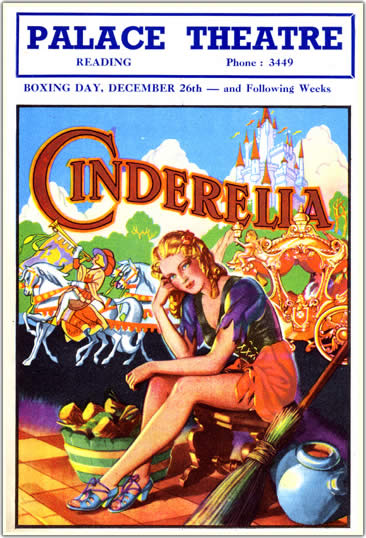
Every family has its Christmas traditions. Ours includes a trip to a pantomime or some such seasonal show.
Actually, it’s quite a recent tradition, almost a fake one really. We took our children, dutifully, to pantomimes when they were young. But, to be honest, they had their doubts. Sometimes they cried. Sometimes they screamed. At least once, one of them had to be carried out, crying and screaming, then soothed in the lobby for the rest of the show. What didn’t they like? The noise, mostly. And the flying in the case of the one who was happiest watching the show from the lobby.
So we gave up on pantomimes when our children were actually quite small. We only went back when the youngest was almost grown up — old enough, at least, to have a glass of wine at the big family dinner afterwards. (Though it’s also true that his sister was so determined to grow up that she started requesting wine with her meal soon after she mastered international direct dialling to her cousins — which itself was not that long after she learned the rudiments of walking and talking.)
Why did we start going to pantomimes again? In part, it was just a way of adding a family event to the seasonal schedule that wasn’t rippled with the emotional complications of food, eating and food preparation. But it was also that I’d seen so many clever, original adult stage shows that I decided there must be similarly inventive pantomimes etc.
So, for the past few years, the youngest child and I have secretly chosen a show, bought tickets and told everyone when they’re going — but not to what. Even the location is only revealed en route. We just tell them they’ll be having an adventure, with dinner afterwards. Wine, too. Beer, if they prefer.
Generally, there are also foreigners involved — family from around the world, generally. This year, there was an Israeli and a Zurich-based Slovak, both young, both female.
The show was Hansel & Gretel, a promenade performance at the Barbican. I figured the foreigners would never have seen a promenade performance before and would be slightly staggered by it. They were. Not, though, as staggered as they were by the show itself.
Somewhere, on a shelf, in another room, there’s a copy of Bettelheim’s The Uses Of Enchantment, a psychoanalyst’s view of fairy tales. I can’t bring myself to open it again. He’s a stunningly boring, repetitive writer, even by psychoanalysts’ standards, and I’ve never really been able to look him or his work in the eye since I read that he hit children — not even his own but those in his care.
I can half-remember and half-guess, though, what Bettelheim would have had to say about Hansel & Gretel. Like so many fairy stories, it’s a stepmother narrative. Why so many? The traditional explanation is that maternal death rates were once far, far higher, so stepmothers, wicked or not, were far, far more common. The other view — Bettelheim’s, I should imagine — is that the stepmother figure is a euphemistic replacement for the real mother. We pour public hate on the stepmother as a way of expressing our private hate for our real mother.
Hate? What about love, then? There’s that, too, of course. Hopefully, for our emotional equilibrium, more of it. But the only people who don’t have mixed feelings about their closest and dearest are those who have no feelings.
But why hate? Isn’t that a bit strong? Well, psychoanalysts are big on the word ‘hate’, particularly if they’re Kleinians. Really, they mean negative feelings — or, at least, the primitive, childish part of ourselves that can only think in the most black of blacks and the most white of whites. Which of us didn’t, at some childish point in our lives, say ‘I hate you’ to a parent or two?
This particular stepmother? Very black, with a touch of purple — and a passion for the Bay City Rollers. She was young, short-skirted, made-up, uninterested in household tasks, visibly (and fakely) big-breasted. Not so much a person as a disco dancing symbol of sexual desire — of the father for the stepmother, and, if you credit the psychoanalytic view, of the real mother for the real father (if only in the child’s imaginings).
It was a tiny cast so the same actress played the witch, too — and screamed with worrying accuracy when stuffed into the oven and death. Bettelheim, I guess, would say the witch is also a kind of secret substitute mother.
It was that kind of show, never frightened to make the latent manifest. I’m not sure, though, that the small people in the audience were that keen on having the latent made manifest for them. I think they had their doubts about walking through a forest of dismembered and mutilated dolls. I also think they were confused, at best, by the scene in which the father and stepmother could be heard offstage making noises which were clearly meant to sound like they were having sex. If the fairy tale stepmother really is a euphemistic substitute for the real mother, then this was clearly what Dr Freud called the primal scene.
By and large, the children didn’t scream or cry or demand to be taken out. They were beyond that, I think, judging by the blankness of their faces. They put me in mind of the shot of the audience in The Producers in which it’s faced with the full horrific truth of Springtime For Hitler — open-mouthed, fish-eyed. Then the audience decides it’s a camp joke — in both senses. So they can laugh.
It’s not a joke, though, is it. The audience was right the first time, when it thought the play was for real. It is a genuine, heartfelt tribute to a Nazi by a Nazi. Taking it as a joke makes it acceptable. It’s what we do. It’s how we fight the horror, swaddle it in humour.
It wasn’t what the children at Hansel & Gretel did, though. They didn’t laugh. They knew it wasn’t a joke. They knew they’d seen something of life’s truths, stuff they’d rather not know.
We certainly did. When it was finally over and had ended as unsatisfactorily as the Hansel & Gretel story always does (how can they forgive their father?), we smiled at each other like survivors of an unexpected natural disaster.
Then we did what you always do under those circumstances. We went to dinner. With wine. And beer.
Part one: a pantomime
Every family has its Christmas traditions. Ours includes a trip to a pantomime or some such seasonal show.


Actually, it’s quite a recent tradition, almost a fake one really. We took our children, dutifully, to pantomimes when they were young. But, to be honest, they had their doubts. Sometimes they cried. Sometimes they screamed. At least once, one of them had to be carried out, crying and screaming, then soothed in the lobby for the rest of the show. What didn’t they like? The noise, mostly. And the flying in the case of the one who was happiest watching the show from the lobby.

So we gave up on pantomimes when our children were actually quite small. We only went back when the youngest was almost grown up — old enough, at least, to have a glass of wine at the big family dinner afterwards. (Though it’s also true that his sister was so determined to grow up that she started requesting wine with her meal soon after she mastered international direct dialling to her cousins — which itself was not that long after she learned the rudiments of walking and talking.)

Why did we start going to pantomimes again? In part, it was just a way of adding a family event to the seasonal schedule that wasn’t rippled with the emotional complications of food, eating and food preparation. But it was also that I’d seen so many clever, original adult stage shows that I decided there must be similarly inventive pantomimes etc.


So, for the past few years, the youngest child and I have secretly chosen a show, bought tickets and told everyone when they’re going — but not to what. Even the location is only revealed en route. We just tell them they’ll be having an adventure, with dinner afterwards. Wine, too. Beer, if they prefer.

Generally, there are also foreigners involved — family from around the world, generally. This year, there was an Israeli and a Zurich-based Slovak, both young, both female.
The show was Hansel & Gretel, a promenade performance at the Barbican. I figured the foreigners would never have seen a promenade performance before and would be slightly staggered by it. They were. Not, though, as staggered as they were by the show itself.
Somewhere, on a shelf, in another room, there’s a copy of Bettelheim’s The Uses Of Enchantment, a psychoanalyst’s view of fairy tales. I can’t bring myself to open it again. He’s a stunningly boring, repetitive writer, even by psychoanalysts’ standards, and I’ve never really been able to look him or his work in the eye since I read that he hit children — not even his own but those in his care.
I can half-remember and half-guess, though, what Bettelheim would have had to say about Hansel & Gretel. Like so many fairy stories, it’s a stepmother narrative. Why so many? The traditional explanation is that maternal death rates were once far, far higher, so stepmothers, wicked or not, were far, far more common. The other view — Bettelheim’s, I should imagine — is that the stepmother figure is a euphemistic replacement for the real mother. We pour public hate on the stepmother as a way of expressing our private hate for our real mother.

Hate? What about love, then? There’s that, too, of course. Hopefully, for our emotional equilibrium, more of it. But the only people who don’t have mixed feelings about their closest and dearest are those who have no feelings.
But why hate? Isn’t that a bit strong? Well, psychoanalysts are big on the word ‘hate’, particularly if they’re Kleinians. Really, they mean negative feelings — or, at least, the primitive, childish part of ourselves that can only think in the most black of blacks and the most white of whites. Which of us didn’t, at some childish point in our lives, say ‘I hate you’ to a parent or two?
This particular stepmother? Very black, with a touch of purple — and a passion for the Bay City Rollers. She was young, short-skirted, made-up, uninterested in household tasks, visibly (and fakely) big-breasted. Not so much a person as a disco dancing symbol of sexual desire — of the father for the stepmother, and, if you credit the psychoanalytic view, of the real mother for the real father (if only in the child’s imaginings).

It was a tiny cast so the same actress played the witch, too — and screamed with worrying accuracy when stuffed into the oven and death. Bettelheim, I guess, would say the witch is also a kind of secret substitute mother.

It was that kind of show, never frightened to make the latent manifest. I’m not sure, though, that the small people in the audience were that keen on having the latent made manifest for them. I think they had their doubts about walking through a forest of dismembered and mutilated dolls. I also think they were confused, at best, by the scene in which the father and stepmother could be heard offstage making noises which were clearly meant to sound like they were having sex. If the fairy tale stepmother really is a euphemistic substitute for the real mother, then this was clearly what Dr Freud called the primal scene.

By and large, the children didn’t scream or cry or demand to be taken out. They were beyond that, I think, judging by the blankness of their faces. They put me in mind of the shot of the audience in The Producers in which it’s faced with the full horrific truth of Springtime For Hitler — open-mouthed, fish-eyed. Then the audience decides it’s a camp joke — in both senses. So they can laugh.
It’s not a joke, though, is it. The audience was right the first time, when it thought the play was for real. It is a genuine, heartfelt tribute to a Nazi by a Nazi. Taking it as a joke makes it acceptable. It’s what we do. It’s how we fight the horror, swaddle it in humour.

It wasn’t what the children at Hansel & Gretel did, though. They didn’t laugh. They knew it wasn’t a joke. They knew they’d seen something of life’s truths, stuff they’d rather not know.

We certainly did. When it was finally over and had ended as unsatisfactorily as the Hansel & Gretel story always does (how can they forgive their father?), we smiled at each other like survivors of an unexpected natural disaster.

Then we did what you always do under those circumstances. We went to dinner. With wine. And beer.
Subscribe to:
Posts (Atom)